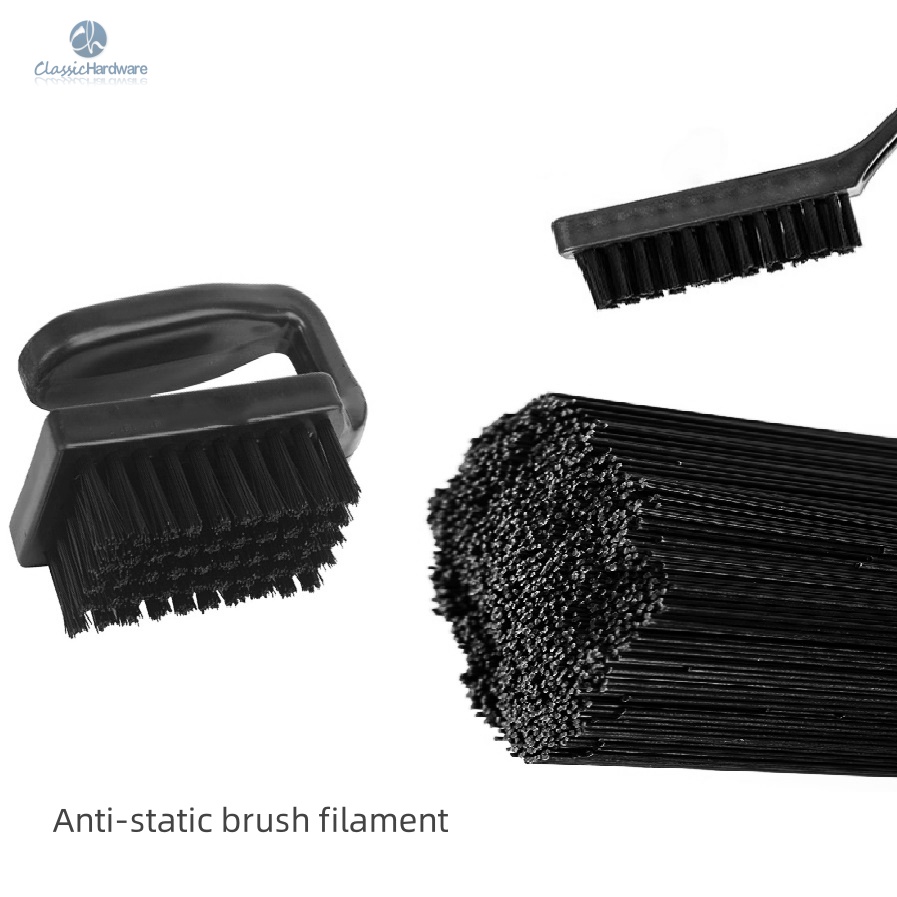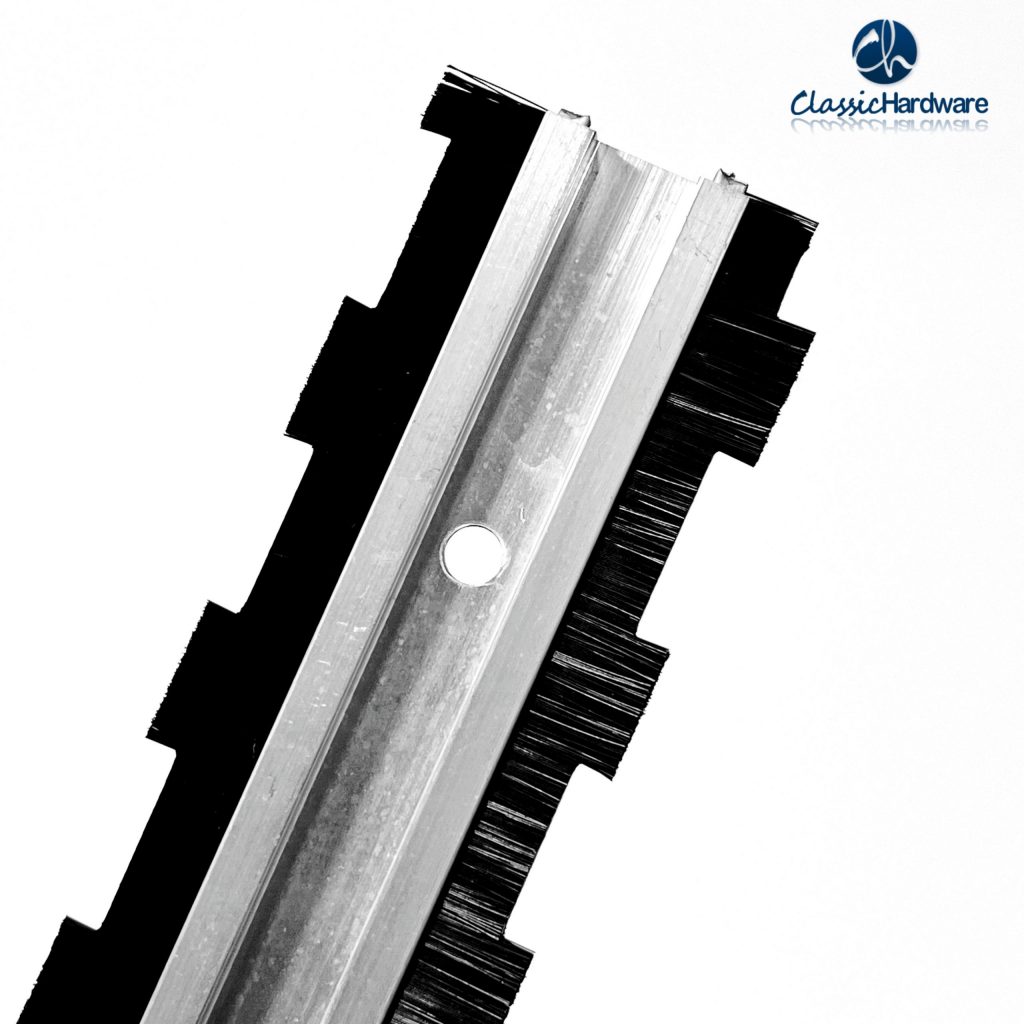
In the field of industrial brushes, the choice of material directly affects the performance, application range, and lifespan of the brush.
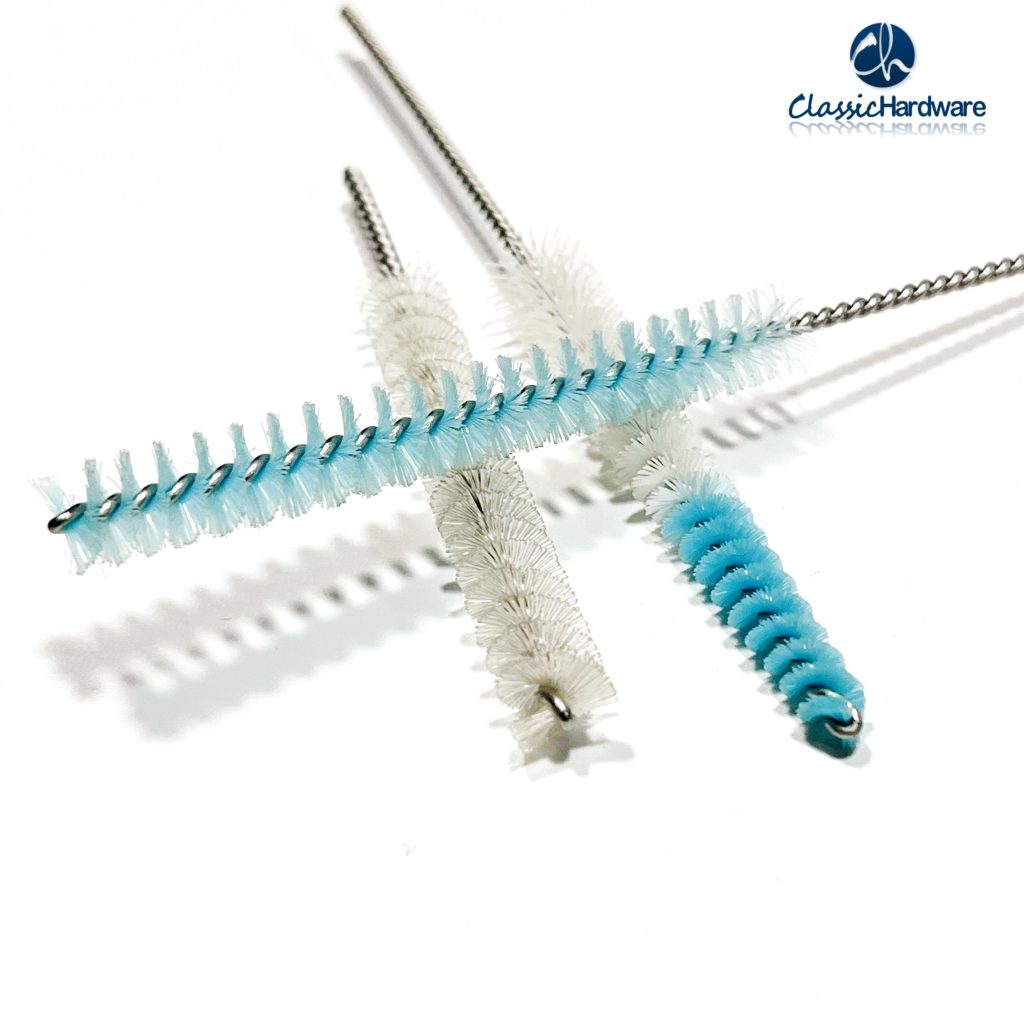
I. Nylon Material
Advantages:
- Good Abrasion Resistance: Nylon material has excellent abrasion resistance, maintaining a long service life even with frequent use or when facing hard surfaces.
- Chemical Corrosion Resistance: Nylon has good resistance to most acid and alkali solutions, making it suitable for use in environments with chemical cleaning agents.
- Moderate Softness: Nylon bristles have a certain degree of flexibility, providing sufficient cleaning power without easily scratching the surface being cleaned.
- Easy-Drying and Low Bacterial Growth: Nylon material has low water absorption, dries quickly, and is not prone to bacterial growth, making it suitable for industries with high hygiene requirements, such as food and medical.
Disadvantages:
- Poor High Temperature Resistance: Nylon’s performance deteriorates at high temperatures, making it unsuitable for cleaning or polishing operations requiring high temperatures.
- Static Electricity Effect: Nylon bristles are prone to static electricity in dry environments, which may attract dust and affect the cleaning of some precision electronic devices.
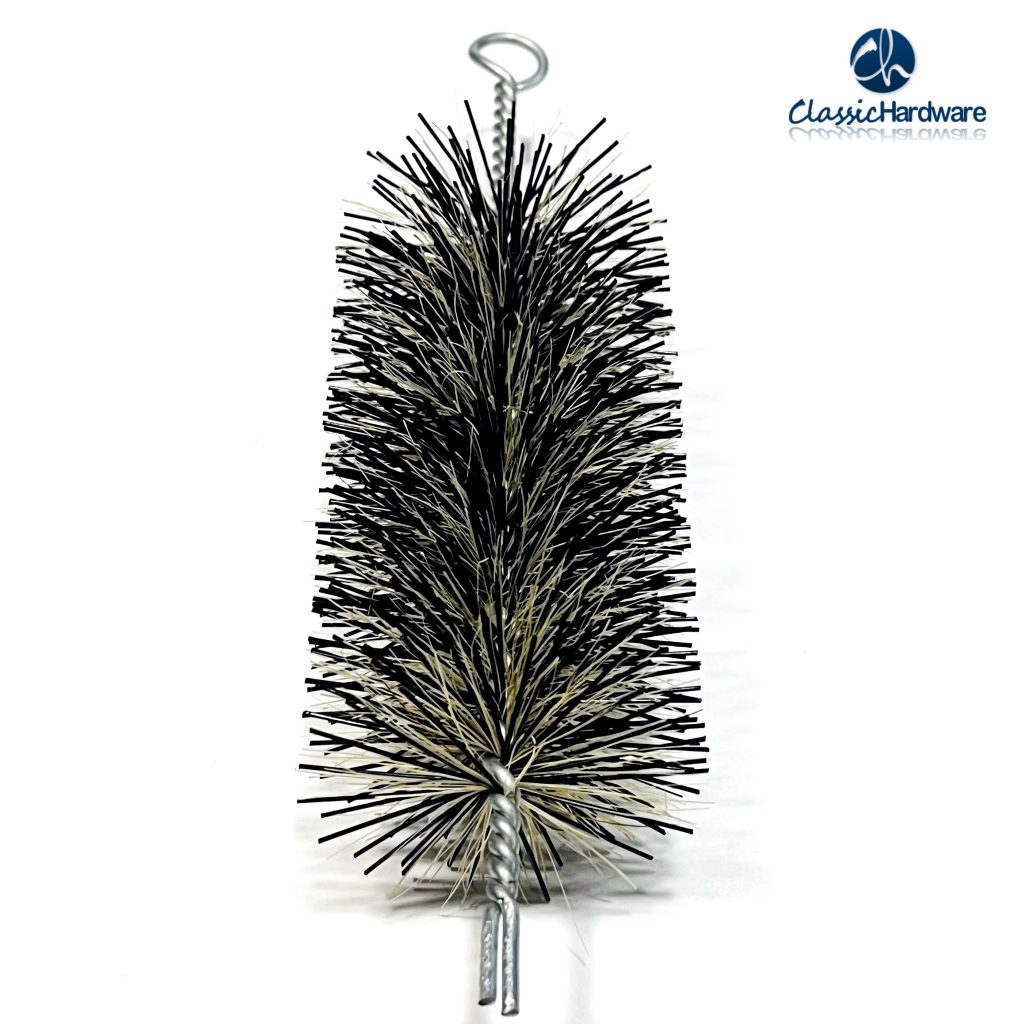
II. Pig Bristle Material
Advantages:
Natural material, highly absorbent: Pig bristles, derived from natural pig hair, have excellent adsorption properties for oil and stains, making them particularly suitable for removing stubborn stains such as grease and wax.
High Temperature Resistance: Pig bristles have high heat resistance and can operate at high temperatures, making them suitable for high-temperature cleaning scenarios such as those using heat guns and barbecue grills.
Anti-static Properties: Pig bristles are naturally anti-static, making them less prone to generating static electricity and attracting dust during use, suitable for cleaning precision electronic equipment.
Disadvantages:
Relatively Poor Abrasion Resistance: Compared to nylon, pig bristles have slightly lower abrasion resistance, and prolonged high-intensity use may lead to bristle wear and breakage.
Not Resistant to Chemical Corrosion: Pig bristles have weak resistance to acids and alkalis, making them unsuitable for use in environments containing strong acids or alkalis.
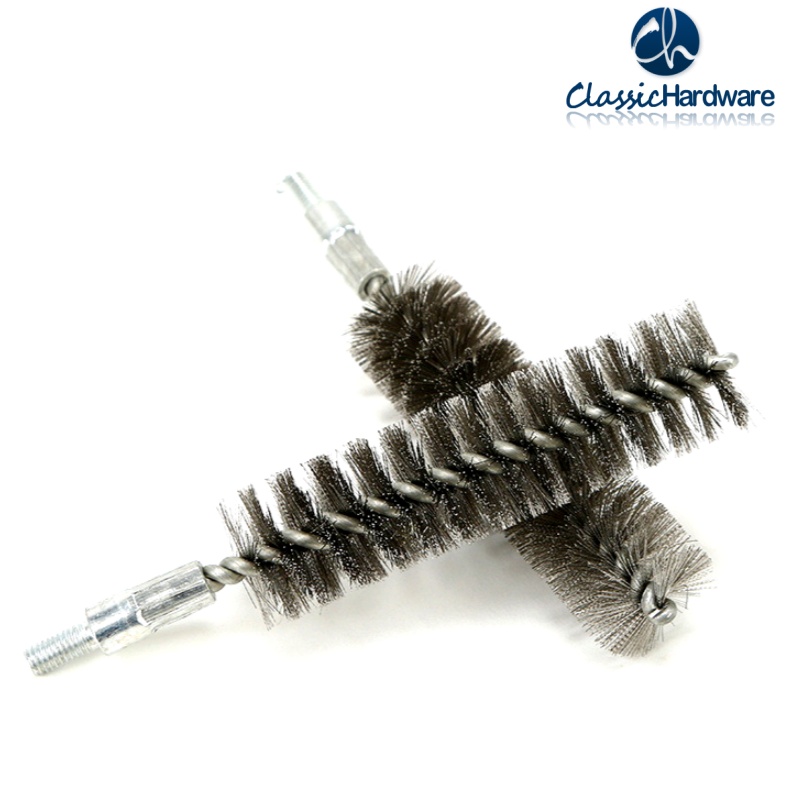
III. Steel Wire Material
Advantages:
Extremely High Abrasion Resistance: Steel wire material has high hardness and strong abrasion resistance, making it particularly suitable for high-intensity operations such as powerful cleaning, rust removal, and polishing of metal surfaces.
High Temperature and Corrosion Resistance: Steel wire can withstand high-temperature environments and has good resistance to most chemicals, making it suitable for cleaning in harsh conditions.
Disadvantages: Scratching Easily: The high hardness of steel wire can scratch surfaces if used improperly or with excessive force.
Heavy Weight and Rust Prone to The weight of steel wire can cause user fatigue with prolonged use; untreated steel wire brushes are prone to rusting in humid environments.
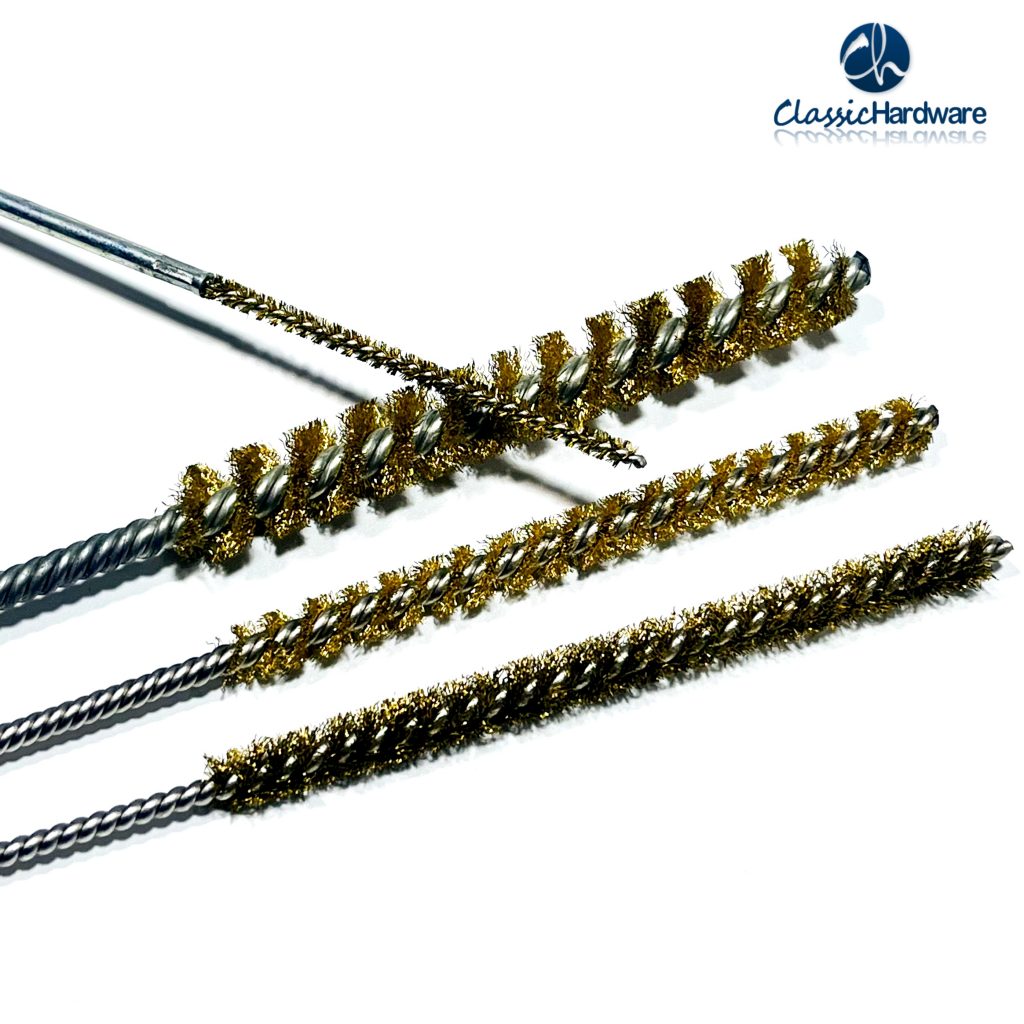
IV. Summary and Purchase Recommendations: Nylon, boar bristle, and steel wire brush materials each have their advantages and disadvantages, and are suitable for different scenarios. Nylon brushes are suitable for routine cleaning and applications requiring high chemical resistance; boar bristle brushes excel in removing grease and reducing static electricity, making them suitable for cleaning food and precision electronic equipment; steel wire brushes are suitable for high-intensity, high-temperature, and corrosion-resistant cleaning and polishing environments. When choosing a brush, consider the specific cleaning task, the material being cleaned, the working environment, and the characteristics of each material to select the most suitable product.